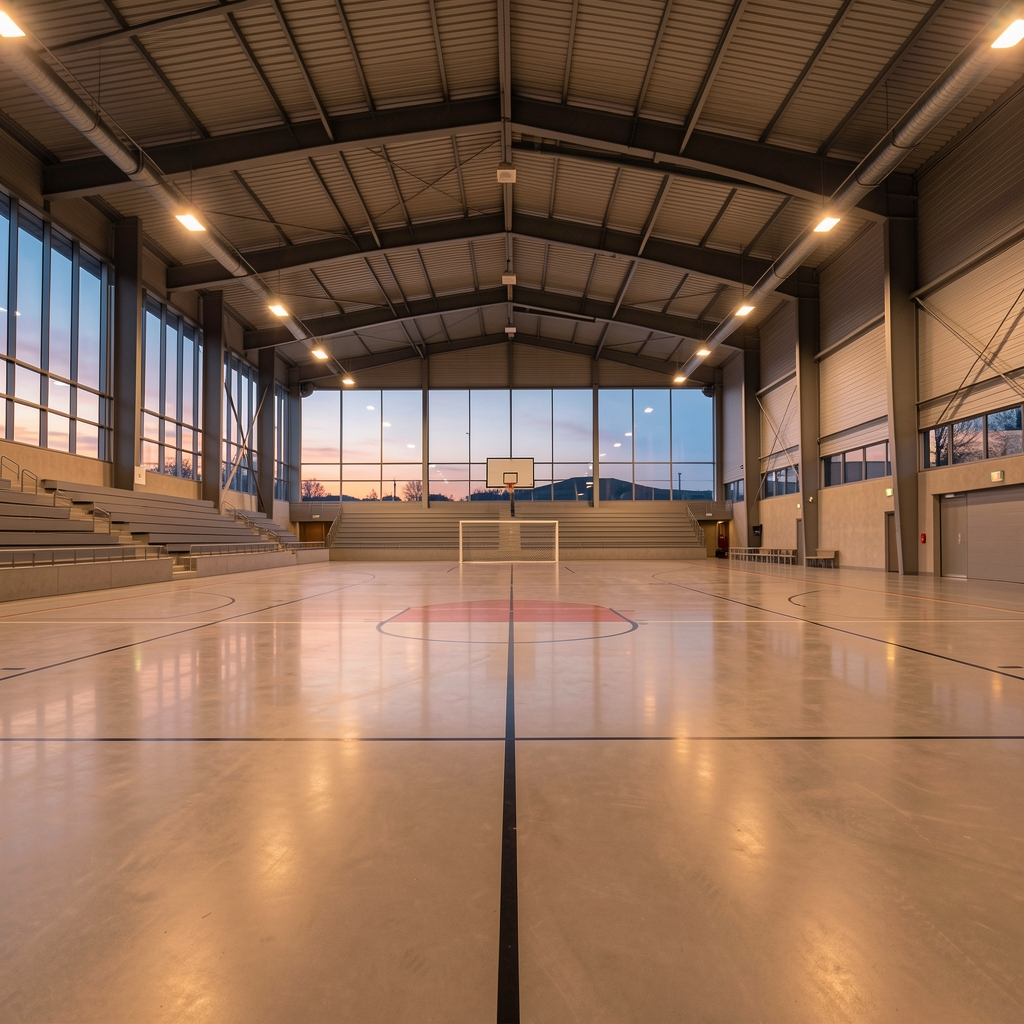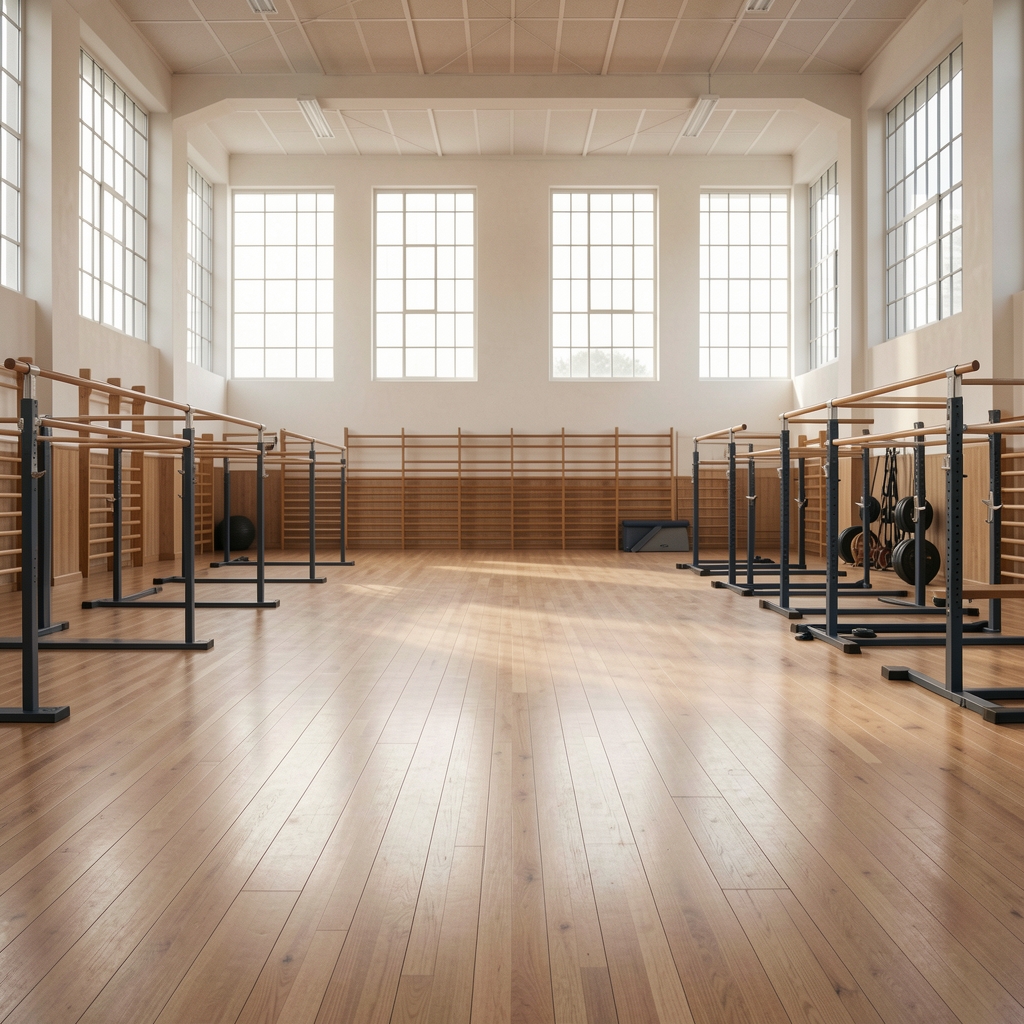
Functional Movement
Principles of Functional Training
An examination of how movement patterns derived from everyday actions inform contemporary training frameworks and physical preparation approaches.
Read FurtherUnderstanding the Science and Art of Physical Well-being.
Learn More About AethelHubAethelHub exists as an independent editorial platform dedicated to the structured exploration of physical activity, fitness coaching frameworks, and movement disciplines. Every piece of content on this site is developed with a single aim: to present information clearly, without alignment to any particular programme, commercial interest, or outcome agenda.
Our editorial approach draws on a wide range of published materials, historical accounts, and established terminology within exercise science and movement culture. We present multiple perspectives side by side, allowing readers to build a rounded understanding of this broad and varied field.
Whether you are new to the subject or already familiar with foundational concepts, AethelHub offers a curated reading experience designed to inform, contextualise, and encourage thoughtful engagement with the topic of physical well-being.
View Explanations
A structured overview of the primary domains that shape contemporary understanding of fitness and movement. Each concept represents a distinct area of enquiry within exercise science and holistic coaching.
An examination of how movement patterns derived from everyday actions inform contemporary training frameworks and physical preparation approaches.
Read Further
An overview of how sustained physical effort over time affects cardiovascular function, drawing on the terminology and frameworks used in exercise physiology.
Read Further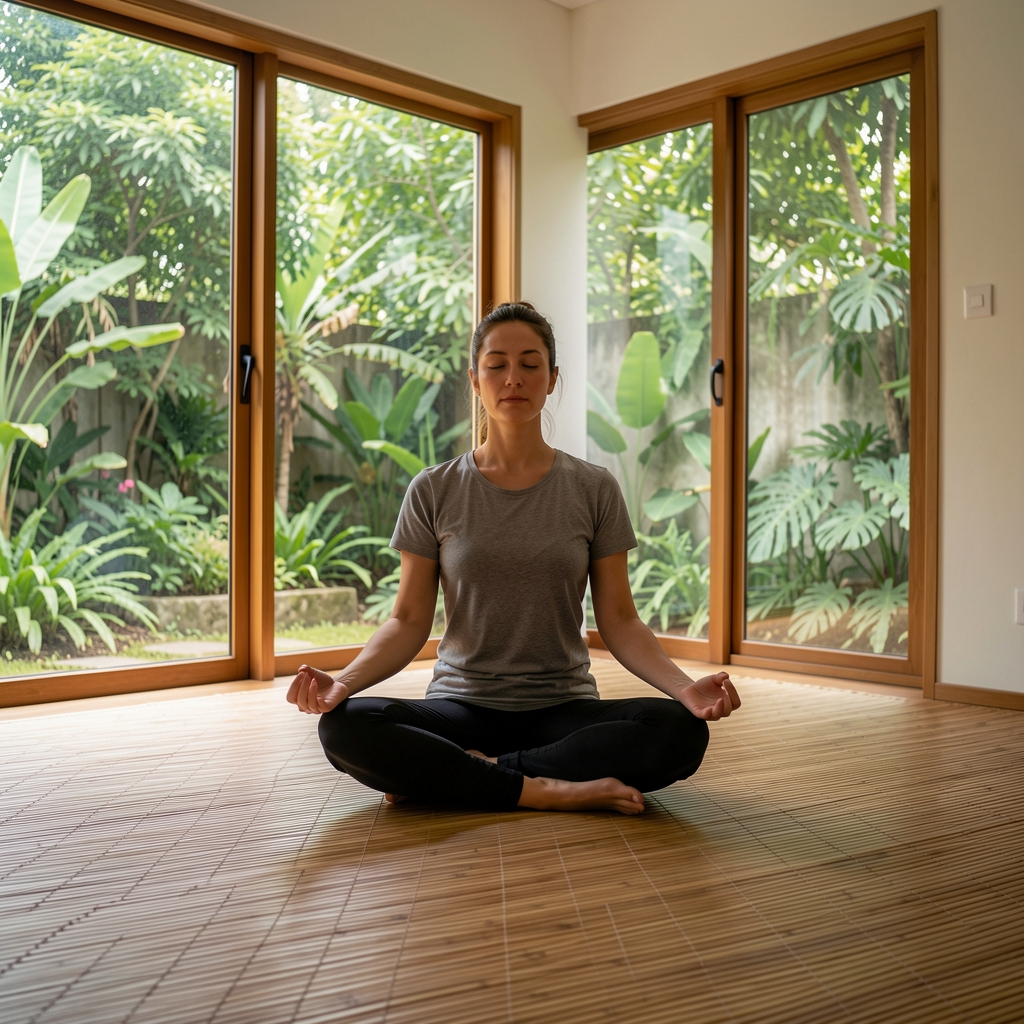
A neutral exploration of how holistic coaching frameworks integrate physical activity with rest, awareness, and daily rhythm across different cultural traditions.
Read Further
The organisation of physical training as a distinct body of knowledge spans thousands of years and multiple civilisations. The following panels trace key moments in that long history.
Physical training in ancient civilisations was rarely separated from spiritual, civic, or military contexts. In Greece, the gymnasium served as a place of philosophical discussion as much as bodily preparation. In the Indian subcontinent, structured movement systems evolved alongside philosophical traditions that described the relationship between breath, posture, and mental clarity. Chinese traditions produced codified movement sequences designed to maintain what was understood as a balance of vital energies. These early frameworks shared a common assumption: that deliberate physical practice was inseparable from a broader understanding of the person.

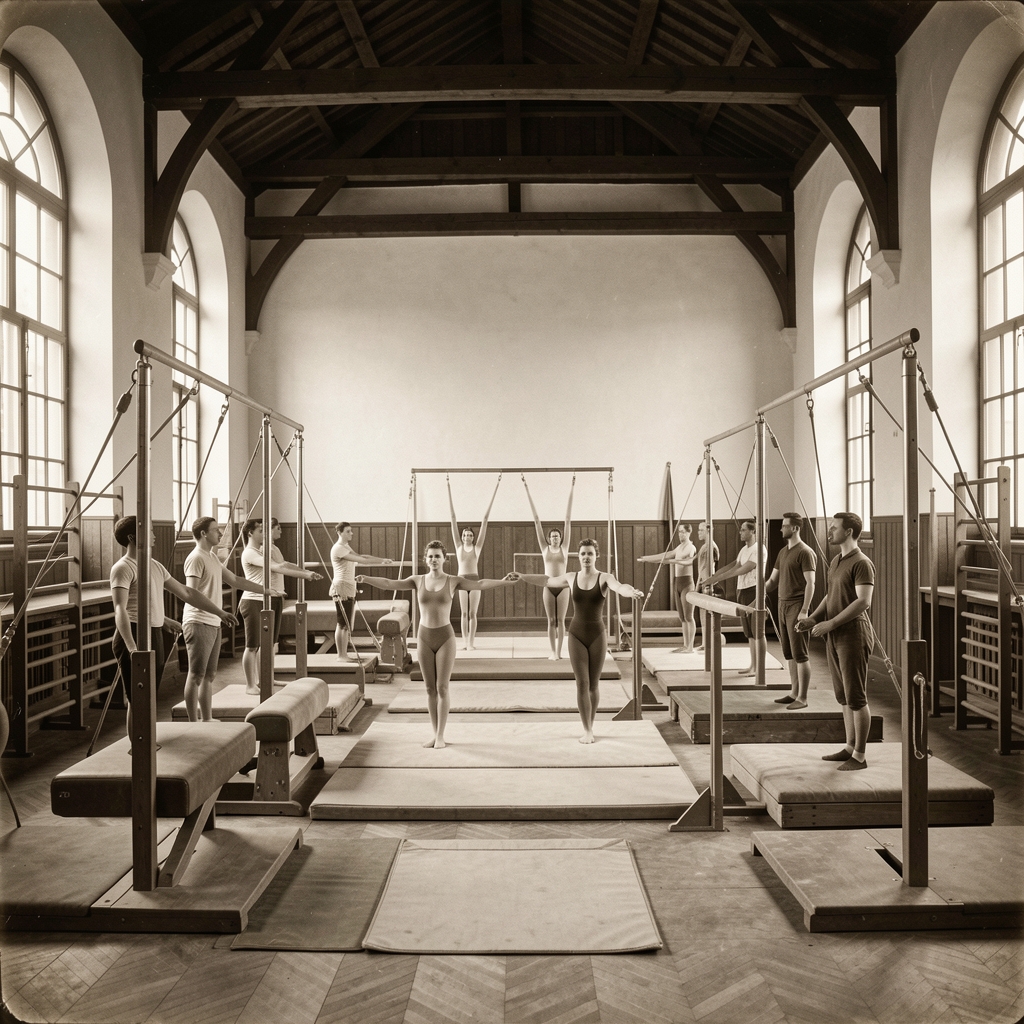
The late eighteenth and nineteenth centuries saw the codification of physical training as a formal discipline across Europe. Swedish gymnastics, developed by Per Henrik Ling, introduced a systematic approach to movement analysis based on anatomy and physiology. In Germany, Friedrich Ludwig Jahn popularised outdoor apparatus-based training as part of national physical culture. These movements contributed to the establishment of physical education as a recognised field within formal schooling systems, separating deliberate bodily training from purely recreational or military application for the first time in Western educational frameworks.
The twentieth century brought significant scientific development to the field, with exercise physiology, biomechanics, and sports psychology each contributing specialised vocabularies and analytical methods. By the later decades of the century, fitness practices had expanded beyond competitive sport into the general population, producing a wide range of coaching philosophies and movement cultures. More recent decades have seen increased interest in frameworks that integrate awareness, recovery, and individual context into training approaches, marking a shift from purely output-focused models towards broader conceptions of physical well-being as a long-term, multifaceted concern.
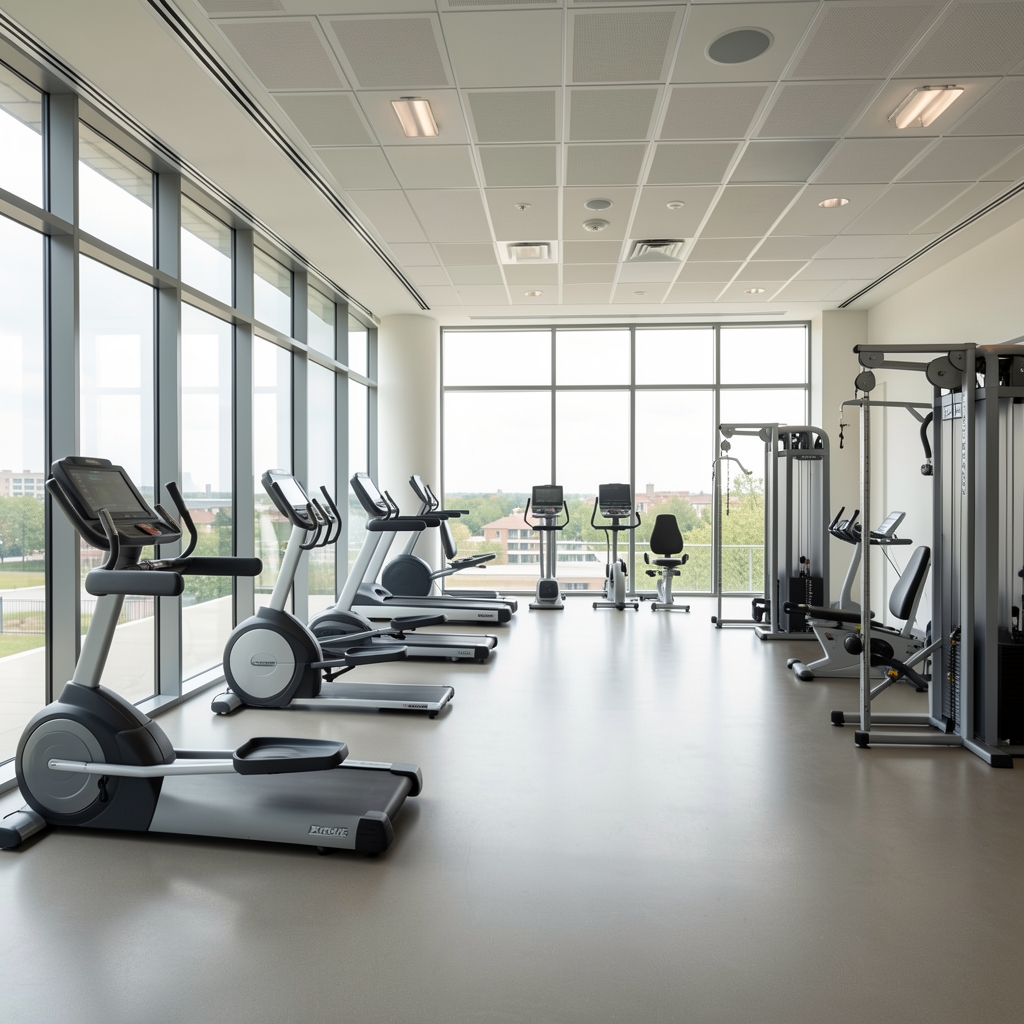
In fitness and movement contexts, "holistic" refers to frameworks that consider more than isolated physical outputs. Rather than focusing exclusively on measurable performance metrics, holistic approaches account for factors such as sleep, stress, movement variety, and individual context as relevant to overall physical well-being. The term itself has roots in broader philosophical traditions, and its application in fitness coaching varies considerably between different practitioners and traditions.
In standard exercise science terminology, "strength" refers to the capacity to produce muscular force, while "conditioning" describes a broader state of physical preparedness that may encompass cardiovascular efficiency, movement capacity, and endurance. In practice, many coaching frameworks treat these as overlapping rather than distinct, and training programmes often address both simultaneously through varied movement patterns and loading strategies.
Different traditions use their own classificatory systems. Exercise physiology typically distinguishes between aerobic and anaerobic activity based on energy systems, while functional training frameworks organise movement by patterns such as push, pull, hinge, squat, and carry. Martial arts and somatic movement traditions often use entirely different frameworks, organised around principles of body awareness, relational force, or breath coordination. Understanding these varying classification systems helps in reading across traditions without assuming direct equivalence between terms.

The AethelHub editorial team welcomes general enquiries and feedback about the resource.
Go to ContactsAethelHub welcomes general enquiries about the topics covered on this resource. Use the contact page to send a message or find direct contact details.
Go to Contacts